
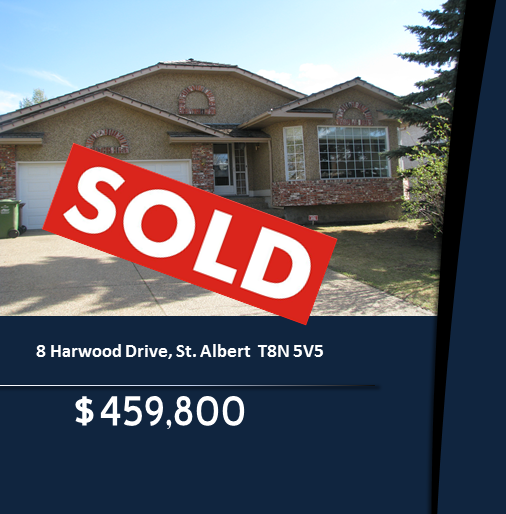
Testimonials – 8 Harwood Drive, St. Albert

8 Harwood Drive

Don, at Royal Lepage was very professional in all his dealing with our house sale, treating both us, as sellers, and potential buyers with respect, courtesy and a friendly smile. He was honest and sincere, and looked for a win-win situation for both buyer and seller. Don was by far the most realistic agent we dealt with in helping set a sale price, and understanding how our home fit into the overall market. He also offered solutions to issues, recommended good ways, and the right people, to get things done to make the process as easy as it can be. All in all, we were very satisfied with Don and would not hesitate to engage him once again.

– Roger
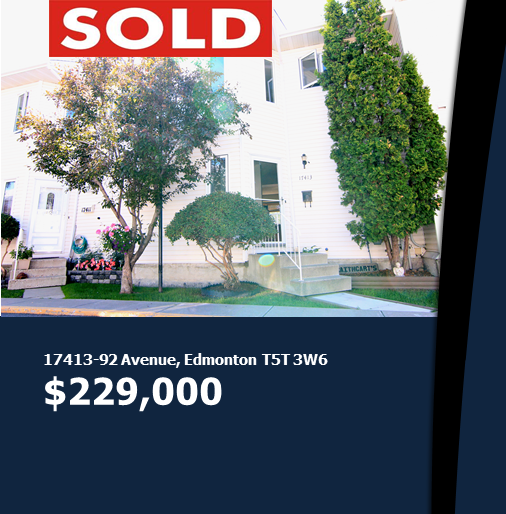
Testimonial – 17413- 92 Avenue, Edmonton

17413-92 Avenue


Don,

Thank you so much for all the help you provided us during the sale of our condo and the purchase of our new home! After our previous experience trying to sell the condo, the ease and quickness of the sale after we contacted you was a huge relief. We were impressed at how much exposure our condo got with a good real estate agent, which contributed to a quick and stress free sale. We truly appreciate the time and effort you put into helping us, and that you were always available if we had any questions or concerns. We will be referring you to any friends or family looking to buy or sell property in the future!

Thank you again,

Jay & Jen

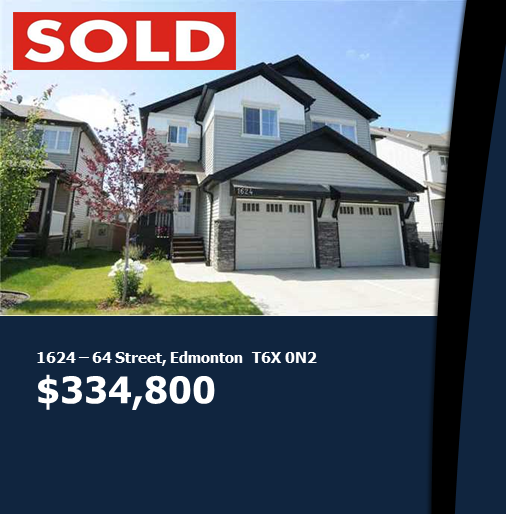
Testimonial – 1624-64 Street, Edmonton

1624-64 street


Don,

I can’t express my heartfelt appreciation for your kindness when you helped me find a new home that become my “Healing Place”. You were patient, empathetic and extremely kind to me during my life changing decision to purchase my new home. I had lived in my previous residence for 27 years and finding another place to call home was going to be a tough order to fill. You only knew me a couple hours and somehow you knew exactly the place that would suit me. You made the whole experience from beginning to end very calm, simple and pleasant for me… you took care of your customer! I thank you for that and I have recommended you to many of my friends and family. Thank you so very much Don.

Wendy

What Key Elements of the Home Will Increase Resale Value?

By:  Phillip Dumoulin

Resale value is now always considered when a potential buyer is deciding upon a home to purchase. The ongoing debate is always – where is one’s money best spent to increase the value of the home? Budgets play a big part in a renovation and I see too many “all-in” renovations… In other words, homeowners blow their entire budget on one room and neglect the rest of the home. At “for sale” time this can leave a bad taste in a purchaser’s mouth, mainly due to the renovation of the one room having dated the rest of the home even more so. Unless you have an unlimited budget, here are some helpful do’s and don’ts that should assist you when coming to the renovation decision.

  1. Never…ever…proceed with a cosmetic renovation when there are structural or plumbing/electrical issues with the home. I know these aren’t sexy fixes but they should always be a priority when doing renovations. Let’s face it, there is nothing worse than redoing your master en suite and then having a roof failure and water damage to the ceiling etc. I’m sure you have heard of the expression “good bones”…make sure you start any renovation with a solid foundation/structure.
  2. The biggest mistake I see in renovations are the disconnects, an example being granite counter tops installed on 40 year old bathroom cabinets. You may consider this an upgrade but to a potential buyer they see this as putting “lipstick on a pig”. If you are trying to sell the bathroom as updated, good luck, no buyer will pay for poor renovations, especially when they have to be completely redone.
  3. On a limited budget? Be smart! – consistent renovations are by far the best bang for your buck. In other words, do some mild updating in all of the rooms. You would be surprised how fresh a home looks with new paint, light fixtures/switches and modern baseboards. In most cases, for the average size home this will cost under 10K but it will most certainly add value when it comes time to re-sell.
  4. Changing a traditional floor plan of a home and creating a more functional one is great for resale. Tearing a wall out can create that “open concept layout” one desires and it doesn’t have to be expensive.
  5. Timeless design – when renovating, choose styles and fixtures that will remain current, what you like may not be appealing to the masses.
  6. The kitchen is always the most expensive room in the house to renovate, so proceed cautiously! It can make or break the resale of the home so choose your layout, design and fixtures with care and hiring a designer for input, wouldn’t be the worst decision one could make.

So remember to always have a plan before starting a renovation. There is nothing worse than a half finished kitchen and no money left in the budget to finish it!


http://www.hgtv.ca/urbansuburban/article/what-key-elements-of-the-home-will-increase-resale-value/

Eight Tips on Selling In A Slow Market

By: Kevin Kittmer

Selling a house in a slow real estate market can be difficult. In times like these, it’s not enough to simply list your home and wait; you actually have to sell your home. No one really wants to sell anything when the market is bad, however, it’s not impossible to sell your house in these conditions. Even though the market’s not favourable to sellers and widespread economic recovery may be months, even years off, there are a number of tactics available to increase the likelihood of a sale. It just takes a positive attitude and a different kind of game plan. Here’s eight tips from a real estate sales rep to get you started.

Know Your Market

One of the most important things you can do to get your house sold is to learn your market, the value of your property and your competition. Most sellers operate in the dark, simply offering the property for the price they want, without regard to what other homes have sold for and are currently selling for. Undervaluing or overpricing your home can cost you tens of thousands of dollars.

Price Your Home Right

With homes sales slowing and prices plunging, there’s little doubt that selling for a good price in today’s market is going to be tricky. For example, the median existing home price across the Vancouver Island Real Estate Board area dropped more than 11% compared with the same month last year, according to the  Board. So if you try to ask as much for your property as your neighbour got a year ago, you’re going to turn off potential buyers. Instead, price your home conservatively by looking at similar houses currently on the market. Also look at the homes that aren’t selling. Chances are those owners priced their homes too high.

If you really want to stimulate a sale, you should under price your property by just a little. Trimming the price by a few thousand dollars can generate more foot traffic and create a buzz.

Make Your Home Presentable

Keep your house looking good at all times, repair things that are broken, and replace things that are rundown. Add a fresh coat of paint (neutral colors preferred), freshen up landscaping, trim trees, clean up clutter and remove personal items, so that prospective buyers can picture themselves in the home rather than seeing you there.

To stimulate a quick sale, consider using a professional home staging service. Your property must make a strong, positive impression. Staging a home is the cheapest way to make a house look different from your competition so it becomes the most memorable one that the buyer saw.

Be Flexible with Showings

It only takes one buyer to get your home sold. Don’t make your real estate professional feel as though their request for a showing is an inconvenience.

Play Up Your Home’s Best Features

If you have fireplaces, make sure that you have fires burning so that there is a beautiful warm glow and the sound of crackling. If you have a gourmet cook’s kitchen, have some great-smelling treats baking in the oven. Turn on soothing music. Set all lights and lamps if the home looks dark or feels heavy. Lighting is crucial.

Offer Flexible Terms

Often, the best way to sell a home more quickly in a buyers market is to adjust the terms of the sale instead of the price. While it may sometimes be necessary to adjust the asking price downward, or to negotiate a lower price with the buyer, sometimes offering an extended closing date will go a lot further.

Be Patient

Selling your home may take longer than in recent years, so it’s important to be patient and keep a positive attitude.

The First Offer Rule

If you get an offer within the first few weeks, the tendency is for sellers to try and hold out for a better offer. This is generally a mistake. Usually the biggest fish bite first, so keep in mind that your first offer will often be your best.

Kevin Kittmer is a Sales Representative for Royal LePage in British Columbia.


http://www.hgtv.ca/realestate/article/eight-tips-on-selling-in-a-slow-market/

The Top 5 C’s To Help You Get The Most Offers On Your Home

Homes Staging Helps Bring Top Dollar Sales

The Top 5 C’s To Help You Get  Multiple Offers

By: Phoebe Chongchua


Home Staging Toronto If your house could be sold looking the way a model home does, do you think it might bring in more money? Chances are it would. That’s why home staging is a growing profession that’s rapidly changing the way homes are sold.

“Staging is not decorating. Decorating is optional, staging is mandatory in order to sell the house for the most possible money in the shortest amount of time,” says home staging instructor Joanne O’Donnell.
O’Donnell has been teaching courses on how to stage a home to be sold for several years. The concept first became known in 1972 by then-Realtor, Barb Schwarz who realized that homes would sell for higher prices if they were prepared to sell first.
Today, hundreds of thousands of real estate professionals, decorators and sellers have come to understand the once-little-known term staging that was coined by Schwarz.
O’Donnell recently taught a course in San Diego, Calif. In the course were two mother-daughter teams, Realtors and even a lawyer.
“When we put your home on the market it is no longer your home; it is a product and we’re marketing it,” O’Donnell told the students.
Home stagers start by viewing the seller’s home inside and out. O’Donnell encourages the students to walk through a home that they plan to stage with the seller, being sure to take notes of items that need to be moved and/or removed.
While home staging may improve the looks of the home, O’Donnell is careful to point out it is not interior decorating. Instead she says it’s much simpler.
“You can’t go out and buy new things for every problem that you have with a house,” says O’Donnell.
She tells the students to be problem solvers, reminding them that her clients are selling their homes and they don’t want to spend a lot to do it.
Really home staging is about de-cluttering and making a home desirable to the masses. “Clutter eats up equity,” O’Donnell frequently reminds the students throughout the course.
“The whole idea of staging is that you want to market to the largest number of people to get as many offers as possible,” says O’Donnell.
There are five key points that must be applied when staging a home. O’Donnell refers to them as the Five C’s of Staging: the home needs to be clean, clutter free, have color, be creatively staged, and finally stagers have to compromise with the sellers, because, of course, many sellers continue living in their homes while they’re being shown.
“People don’t see that a lot of things that are in their houses are part of themselves and when you try to sell a house you want to make it as neutral as possible, not necessarily in the colors, but in the way it’s presented,” says Gerin Canin, a lawyer from New York who is transitioning into a home staging career.
Canin believes home stagers play a vital role in real estate.
“I think that when people sell their homes they don’t necessarily see their house as a potential buyer would see their house. They become attached to things. [The seller] doesn’t notice things that other people would notice. So I do think it’s important to have an opinion from someone else,” explains Canin.
Here are a few home staging tips from professionals:
For the inside:
  • Clear the clutter.
  • Put away all electrical cords and extra appliances.
  • Put away family photos.
  • Think open space.
For the outside:
  • Shutters improve the look.
  • Paint/Power wash.
  • Plants, high, medium, low — with lots of color.
  • Decks — even small ones can be a big improvement.

Tips On Winning A Bidding War

Scott McGillivray’s Tips on Winning A Bidding War

By: Scott McGillivray


How To Win The Bidding War On A Home

With over a decade of investing in real estate under my belt, I’ve learned a few things about thebuying and bidding process. Whether you are a first time buyer, looking for a bigger home, or downsizing, investing in real estate is a smart decision – but only if you do it wisely.  Bidding wars, unfortunately, may be here to stay, so here’s some advice that may help you to secure your next property.

  1. Crunch the Numbers
    One of the most important elements in the process of buying a home, particularly if you enter a bidding war, is getting pre-approved by your bank or mortgage company so you know exactly what you can carry – and how high you can go in your offer.
  2. Do your Homework
    Buying a property is the most expensive financial decision most people will ever make in their lifetime so spending time to research the neighbourhood is so critical. There is so much emphasis on house inspections, and there should be, but the same amount of care should also be spent checking out local schools, transportation links, parks, crime rates, medical offices, family activities, seniors programs, daycares and even future housing developments.
  3. Nail the Timing
    I try to get into properties on a Wednesday so I can put in an offer on Thursday and avoid the weekend open house competition –  or before they are on MLS. By beating out the weekend competition, I might not have to enter into a bidding war. There’s no law that states that you can’t make an offer before the official offer date and a good agent should send you properties as soon as they are available and preferably before they go public.
  4. Pick the Right Agent
    Having an agent who has your best interest in mind is key to winning a bidding war. Your job as a buyer is not to seal the deal, it’s your agent’s job and they need to know what your limit it is – and respect it. If your agent tries to up sell you on the price and encourage you to go beyond your budget, it’s time to find a new agent.
  5. Keep your offer clean

    Surprisingly, not everyone is after top dollar when it comes to selling their home. I’ve put in a lot successful offers that may not have been the highest, but they were the cleanest. A clean offer with pre-approved financing, especially in a multiple offer scenario, shows theseller that you are serious.  Conditional sales and offers that are contingent on financingjust don’t fly when there are other offers on the table.


http://www.hgtv.ca/incomeproperty/article/scott-mcgillivrays-tips-on-winning-a-bidding-war/

Are You A Buyer Or Seller? Is This Good Or Bad News For You?

Here are some interesting facts and statistics about the real estate market that may have you interested.


According to REALTORS Association of Edmonton: 

  • Sales of residential properties are up in double digit increments in all categories when compared to last year.
  • Total residential sales in July were up 2.4% year-over-year
  • Prices were also up year-over-year in all categories
  • The average price for a single family detached (SFD) property in the Edmonton Census Metropolitan Area (CMA)  in July was $410,372, down 0.5% from June but up 3.4% from a year ago. Condominium average prices dropped 7.4% m/m but were up 2.6% y/y at $242,516. Duplex/row house prices were up 8.6% y/y (down 2.5% m/m) at $330,906.
  • The residential average price in the Edmonton CMA in July was $350,726 ( down 2.5% m/m, up 3.3% y/y)
  • These are the highest figures for July that we have seen since 2009″ said the President Darrel Cook of  REALTORS Association of Edmonton. “Prices and sales have peaked for the year and the  month-over-month numbers are lower than June but when compared to last year our market is very robust”
  • Environics Analytic’s, a Toronto based date analytic ‘s firm, reported last week that the average net worth of an Edmonton household** was $433,970 in 2012, up 1.6% from 2011 as compared to the Canadian average net worth of $400,151.*
  • Cook as well said ” Edmonton has jobs, house options, and an economy that is attracting newcomers to the city and ensuring that current residents have an appealing lifestyle”


For all of those who have wondered what the statistics look like on what the sales market in St. Albert looked like for the month of July 2013 verse the prices of  July 2011

SFD Sales …                          2013:  96                                                            2011: 71

SFD Average Price …       2013:  $447,897                                             2011: $445,229

Condo Sales…                     2013: 29                                                               2011: 15

Condo Average Price…   2013: $ 263,007                                              2011: $263,027

Demand For Realtors Is Increasing

 By: Jonathan Whitingfor sale and sold sign

You may or may not be aware of this fact, but more people are choosing to use a real estate agent than ever before. In correlation to the increased demand for real estate agents is the so-called democratization of information – the opening of the web, a.k.a. the Google factor, and the general trend of consumers choosing how and when they purchase products. When you analyze the statistics surrounding Internet adoption and demand for real estate agents, an untold story unfolds.

Let’s start with the number of home buyers working with a Realtor, as published in a recent U.S. report issued on Realtor.org. In 2001 about 69 per cent of all home buyers worked with a real estate agent. Dramatically, by 2012 that number increased to 89 per cent, according to the National Association of Realtors (NAR). That’s a whopping 20 per cent increase.

That’s a good news story for Canadian real estate. After an onslaught of news about an uncertain economy over the last four years, along with a general opening up of information online, you would be forgiven for assuming that Realtors’ future in the marketplace might be at risk. The numbers are not reflecting that, and the story doesn’t stop there.

The increased demand for real estate agents may be related to a surprising factor.  A growing demographic of home buyers is adopting the Internet and technology in their home-buying process. An analysis of the 2012 Profile of Home Buyers and Sellers released by NAR found that home buyers using the Internet were more likely to work with a real estate agent. Twenty per cent more likely, to be exact. This is counter to a common assumption that the more access a home buyer has to information online, the less they will need to work with a real estate agent.

In reality, “91 per cent of home buyers who used the Internet to search for a home purchased through a real estate agent, as did 71 per cent of non-Internet users,” says the study.

Data released by the Parliament of Canada reveals that since 2000, Internet usage in Canada increased by 35 per cent. Today 80 per cent of Canadian mobile phone users are on a smartphone and 93 per cent of Canadians go online for product information. These latest statistics divulge an interesting outcome. With the ability to search for homes online Canadians have spoken through their actions. They like using the Internet to search for information about property and real estate agents when purchasing.

Perhaps the greatest value a real estate agent provides for the home buyer is a sense of security that they are making the right decision and that the deal is put together correctly. With the increase in accessible information online, it is likely home buyers are realizing just how much information is available and are recognizing the need for an expert in the purchasing process

According to NAR, 87 per cent of buyers surveyed viewed real estate agents as a source of valuable information. Another study by Mustel Group Market Research found home buyers believe that the greatest value a real estate agent provides is dealing with the details and negotiating the best price.

One can conclude from all this that with the rise of technology, Canadian home buyers are embracing real estate agents. That’s not to say there isn’t uncertainty. But the numbers expose strong demand for real estate agents from the most promising of all consumers groups, the emerging home-buying demographic. Canada’s youngest home buyers using the Internet are also the most likely to work with a real estate agent. The future of Canada’s real estate agents is remarkably good.

Jonathan Whiting is a founding partner of StreetText.com, a text message and web marketing platform that serves Canadian real estate agents and mortgage brokers coast to coast.


http://www.remonline.com/demand-for-real estate professionals-is-increasing/

Will You Have More Trouble Getting A Mortgage?


Lately on the news stories have been erupting of the news of the CHMC cooling down the mortgage market. In the article written by Julian Bel Trame from The Canadian Press ; He talks about what this means for the mortgage market and what the outcome may be.

CHMC cap on mortgage-backed securities to hike home costs, cools market. 

August 6, 2013

OTTAWA – Canadians may soon be paying more for new home loans as Canada Mortgage and Housing Corp. begins to clamp down on guarantees for mortgage-backed securities.

The government agency has notified banks, credit unions and other mortgage lenders that they will each be restricted to a maximum of $350 million of new guarantees this month under its National Housing Act Mortgage-Backed Securities (NHA MBS) program.

This year, the federal Crown corporation was given authority to guarantee up to $85 billion under the program but by the end of July, $66 billion had already been committed.

“As a result of this unexpected increase in issuance volumes to date and to better manage volumes going forward, CMHC will be introducing a formal allocation process in late August,” CMHC said in an Aug. 1 note to lenders.

Analysts say the cap will make it harder and more expensive for banks to obtain funds to lend to their customers, which would likely be passed on by way of a bump in mortgage rates.

“The combination of steps the government has taken in the last year, coupled with the beginnings of a sell-off in the bond market… will put a bit of upward pressure on mortgage rates,” said CIBC chief economist Avery Shenfeld.

“Overall, the days of very cheap mortgages are going to be replaced by cheap mortgages.”

TD economist Diana Petramala, who specializes in the housing market, estimated rates could rise anywhere from 20 to 65 basis points, or the equivalent of 0.2 to 0.65 of a percentage point.

She noted that historically, this is a minor increase.

“Affordability will still remain in the housing market,” she said.

The conversion of loans into securities with CMHC backing is a way for lenders to tap funds from a broad range of investors and enable banks to issue more mortgages at a lower cost.

Analysts said Canadian banks should have no difficulties securing international markets for funding, but it will come at a higher cost. CMHC-backed securities are attractive for both banks and investors since they are largely default-proof.

Fearing an overheated housing market could infect the larger economy, and result in defaults which the government must bear, Finance Minister Jim Flaherty has taken a number of steps in recent years to stem the flow of mortgage credit.

Last summer, he introduced tighter rules for mortgage lenders and borrowers — a change that the real estate and lending industries say was the main reason for a slowdown in residential property sales that began last August and continued through the first part of 2013.

As well, the finance minister acted to limit taxpayer exposure to a housing crash by setting limits on banks’ ability to buy bulk insurance from CMHC.

Still, Flaherty has been frustrated that banks were priming the house mortgage pump too aggressively, oblivious to the fact that Canadian household debt continued to climb. At 165 per cent of annual income this spring, household debt reached heights similar to the peak in the United States prior to the 2007 crash that literally broke several banks.

This spring, the minister went so far as to publicly chastise some banks for dropping their mortgage rates too low.

The moves worked for awhile, but in the past few months, housing has been on an upswing, with starts again reaching unsustainable levels near 200,000 annually, sales picking up and prices continuing to record new highs.

“We are starting to see the impact of the changes wearing off… prices in most markets are now rising faster than income,” Petramala said. “So it makes sense that the federal government, CMHC, may want to limit some of the risk-taking in the housing market.”

In last month’s monetary policy report, the Bank of Canada cited the recent developments in the housing market as the top made-in-Canada risk to the economy.

“This renewed momentum would produce a temporary boost to economic activity and inflation, but more importantly, it would exacerbate existing imbalances and therefore increase the probability of a more severe correction later on. Such a correction could have sizable spillover effects to other parts of the economy,” the central bank concluded.

Top Five Things To Think About Before You Buy…

By: Sarah Daniels 

Buying a home is generally an exciting adventure – the thrill of finding a home that you and yourfamily can enjoy, where you will raise your children, make friends – all the good things that home ownership. But there are several things that you should consider before setting down your hard earned money on a home purchase.

  1. Does this home make sense? Now when I say that, I mean will this home make sense for you and your family in the long run? Are you a young family and hope to expand? Maybe a two bedroom townhome is not the right buy. Sure, with one child it may be very manageable, but if baby number two is just a year away – you may be forced to move within a couple of years. With transfer taxes and real estate professional fees, you could eat up any profits made, and that’s just not a smart buy. Ideally you should look for a home that will accommodate you for at least five years. This may mean forgoing some fancy upgrades, but ultimately the cosmetics of a home can be changed, whereas adding square footage is a whole differentball game.
  2. Have I fallen in love with the finishings, not the home? This often happens with buyers. The reason show homes are so inviting is that the developers want you to fall in love with an ideal. However with all the fancy furniture gone, you may find the home you bought is not the home you need. You may have ignored all those stairs in that three level townhome because you loved that open concept living area. But if you noticed it when you visited, think about how it will affect your daily life. Do you have small children? Imagine carting babybuggies, strollers, and small children up and down those stairs. Suddenly, that home might not be such a great idea after all.
  3. Do you see yourself in the neighbourhood? If there are tons of children in the neighbourhood, and you are a professional couple who crave quiet, then you might be in the wrong place. Conversely, if you have children, but there are no schools within walking distance, and no basketball hoops in the driveways, then they may not have any friends toplay with. Make sure you pick an area that fits your lifestyle, whether you’re looking in the city or the suburbs.
  4. Don’t buy the best home in a not so great neighbourhood. Ideally, you want to buy in the best area you can, even if that means buying a home that may not have all the extras that you want. Your home is your investment, and ultimately the old saying “LocationLocation Location” will always hold strong. You can’t make more land, no matter how hard you try. However, you can invest in the home that you purchase through renovation. It doesn’t have to be all at once. But if you buy a home with “good bones” – i.e.: good sized rooms, a practical floor plan, and structurally sound – all within a desirable location – you will be making a sound purchase.
  5. Can I really afford this? If you are a dual income couple and are planning on starting afamily, you may have only one income for a while. Will the home put undo financial pressure on you? If your income was to go down, would you be able to afford the home? Just because you “can” afford to purchase a home, doesn’t mean you should. Sit down and think about your lifestyle. Do you like to travel extensively? If you do, make sure you budget that into the equation. Are you planning to send your children to private school? Factor in the annual tuition to your costs. Don’t forget to speak with your mortgage broker. Any changes in interest rates could change your mortgage payment in the years to come. Make sure you can handle any upticks in the interest rates.

These are just a few things to consider when you enter the world of real estate. But ultimately common sense will rule the day. Always make sure that when you are shopping for your new home, you leave your rose coloured glasses at home!


http://www.hgtv.ca/urbansuburban/article/top-five-things-to-think-about-before-you-buy/

St. Albert: All The Perks of Living In This Beautiful City

How well do you think you know St. Albert and all it’s amenities? After some reading about St. Albert I found out there was quite a few things I did not know about our beautiful city. Here’s a couple Did You Know’s:



St. Albert is:

#1 Best place to raise a family

#1 Best Small City In Canada

#1 Healthiest community in Canada

#2 Best City in Canada

#3 Best Place to raise kinds in Canada

More than 76% of students in greater St. Albert Catholic High Schools are eligible for scholarship monies

St. Albert has:

85 Kilometers of Paved Recreational Trails

160 Ft of water slide

76 City + School playgrounds

47 Soccer/Football Fields

28 Baseball Diamonds

24 Tennis Courts

St. Albert schools consistenetly outperform the province on all 16 Reporting Measures

13 St. Albert Hockey Players have played in the Olympics

4 Rugby Fields


We live in pretty amazing community, don’t we?

St.Albert Homes For Sale : A Young Home Buyer’s Checklist

imagesAlmost two-thirds of young Canadians (63 per cent) are looking to purchase their first home within the next two years, according to a recent RBC Home Ownership Poll. But these 18-34-year-olds have significant concerns about making the leap. Almost half of respondents (49 per cent) in this age group cited affordability as a reason they had not yet purchased a home, while one-third (34 per cent) said they were saving money for a large down payment.

“Buying your first home is a major milestone and you want to ensure you are both financially and emotionally prepared,” says Michael Schmidt, manager of client segment strategies. “There are no ‘do-overs’ when buying your first house, so it’s important to arm yourself with the right advice to avoid unexpected costs down the road.”

First-time buyers could also benefit from the wisdom of current owners. Three-in-five Canadian homeowners admit they made at least one mistake when they bought a house, including underestimating or overlooking significant renovations that the property needed, not having a bigger down payment, and lack of a home inspection.

Schmidt provides the following tips to combat some of common home buying mistakes:

• Put saving on autopilot: Down payment saving takes discipline. So when you get your paycheque, pay yourself first. One of the easiest ways to commit to this plan is to arrange for pre-authorized transfers from your bank account to your savings account.

• Understand the total cost of owning a home: Purchasing a house is more than just a regular mortgage payment. Budget for both one-time expenses (such as land transfer tax, property surveys, and legal fees) and ongoing costs (property tax, utilities, condo fees) and balance those costs against your lifestyle.

• Create a rainy day fund: Major repairs and upgrades are inevitable. Keeping a separate emergency fund will ease unexpected costs such as a leaky roof or a furnace repair.

More information is available online at /www.rbcroyalbank.com/mortgages/first-time-home-buyers.

www.newscanada.com

Ready for your next big adventure? 5 Tips for a stress-free summer move

images(NC)—The majority of Canadians prefer to make their big move during the summer season. There are a variety of reasons for choosing this time of year: it is easier to transport boxes in non-icy conditions, no need to worry about your belongings freezing during transport, and children’s lives are not disrupted by the transition since they are on summer holidays.

Minimize potential moving chaos by asking yourself the following questions:

• Do you need to keep everything? Moving offers a good opportunity to reorganize your life by giving away, donating or recycling items that you no longer need. You’ll thank yourself later when there is less to pack and transport.

• How well do you know your moving company? The Office of Consumer Affairs drafted a Consumer Checklist for choosing a moving company and it reminds Canadians to request their moving estimate in advance and be mindful of seasonal rates (a summer move can be pricier). Will your items be held in the transport vehicle overnight or a secure facility? Consider purchasing Replacement Value Protection, which will ensure the company is liable if your possessions are damaged.

• Do you have enough boxes and packing materials? Start collecting boxes and newspapers in advance; ideally you should begin packing non-essential items a month in advance. Pack and clearly label a couple boxes with important first day arrival items, such as toothbrushes, remote controls, medication, and pet food, which could otherwise become lost in the shuffle.

• Once you step in the door, what are your top priorities? After the bed is set up, most people are eager to get connected by hooking up their TV, internet and home phone. Rogers introduced a free concierge service which makes this process easier by setting you up with a personal concierge agent. The agent proactively connects with customers throughout the transition, reviews order details, answers billing questions, and can assist with any changes to your order if your moving date needs to shift.

• How will you keep your new home secure and connected? When settling into your new home, another important thing to consider is how to keep your new space and your family, secure and safe. Rather than get a traditional security system, consider Rogers Smart Home Monitoring. It provides far more than basic home security. For example, the system alerts you through text messages the moment your child arrives home from school. Rogers Smart Home Monitoring also allows you to automate everything from your lights, thermostat, to small appliances, and it even monitors water leaks and carbon monoxide levels. The best part? The whole system is controlled through your smartphone, computer or tablet so you can stay connected wherever you are.

Entering the next chapter of your life can be a thrilling time, but like any significant life change, the process can be quite overwhelming. Control potential moving chaos by jotting down questions and tracking their completion on your personal checklist.

For more information on Rogers Concierge and Rogers Smart Home Monitoring, visit: www.Rogers.com/Moves and www.rogers.com/smarthome

www.newscanada.com

Insurance Tips for Homebuyers

Summer to-do lists are often filled with road trips, swimming pools, vacation adventures and taking in the great outdoors. However, for many Canadians, the warm-weather season means even bigger plans – such as buying a new home.

Purchasing a new property, especially for the first time, presents many questions. After separating the must-haves from the wish-list, finding the right real estate agent, and calculating how much you can afford, getting insurance for the new home is often left to the end, or only considered after the papers are signed and the move-in plans are underway.

“The type and location of home you buy can have a significant impact on your insurance premium,” says Wayne Ross, an insurance expert at Aviva Canada. “By looking at a new home through the eyes of your insurance company, you could save thousands in home insurance premiums.”

Ross offers four simple tips to keep insurance in mind when shopping for your dream home:

Explore the location: Neighbourhoods with lower crime rates and that are close to fire stations are kinder to your insurance premiums.

Think warm thoughts: Check out the heating system installed in the home. Oil tanks can cause expensive environmental damage if they leak while gas furnaces and electric heat are much less risky. If you heat with oil, you’ll likely pump more money into your premium.

Some things are better new: Houses with more recent heating, electrical and plumbing systems are less susceptible to fire and other dangers, and result in lower premiums. Also search for an updated roof and look for signs of wear and tear.

Examine your extras: Adding upgrades such as swimming pools or hot tubs can increase your chance of liability – and therefore your insurance costs.

More information are available from your insurance broker or at avivacanada.com.

www.newscanada.com

Tips on Winning a Bidding War

bidding warWhether you are a first time buyer, looking for a bigger home, or downsizing, investing in real estate is a smart decision – but only if you do it wisely. Bidding wars, unfortunately, may be here to stay, so here’s some advice that may help you to secure your next property.
1.Crunch the Numbers
One of the most important elements in the process of buying a home, particularly if you enter a bidding war, is getting pre-approved by your bank or mortgage company so you know exactly what you can carry – and how high you can go in your offer.
2.Do your Homework
Buying a property is the most expensive financial decision most people will ever make in their lifetime so spending time to research the neighbourhood is so critical. There is so much emphasis on house inspections, and there should be, but the same amount of care should also be spent checking out local schools, transportation links, parks, crime rates, medical offices, family activities, seniors programs, daycares and even future housing developments.
3.Nail the Timing
I try to get into properties on a Wednesday so I can put in an offer on Thursday and avoid the weekend open house competition – or before they are on MLS. By beating out the weekend competition, I might not have to enter into a bidding war. There’s no law that states that you can’t make an offer before the official offer date and a good agent should send you properties as soon as they are available and preferably before they go public.
4.Pick the Right Agent
Having an agent who has your best interest in mind is key to winning a bidding war. Your job as a buyer is not to seal the deal, it’s your agent’s job and they need to know what your limit it is – and respect it. If your agent tries to up sell you on the price and encourage you to go beyond your budget, it’s time to find a new agent.
5.Keep your offer clean
Surprisingly, not everyone is after top dollar when it comes to selling their home. I’ve put in a lot successful offers that may not have been the highest, but they were the cleanest. A clean offer with pre-approved financing, especially in a multiple offer scenario, shows the seller that you are serious. Conditional sales and offers that are contingent on financing just don’t fly when there are other offers on the table.


www.hgtv.ca

Three Questions to Answer Before You Buy a New Home

buying-house(NC)—Preparing to buy a home requires more than just a down payment. Before you purchase property, take time to understand your available mortgage options and balance your debt load. Thorough planning and smart budgeting now can help you avoid running into high debt or repayment problems down the road.

Farhaneh Haque, director of mortgage advice at TD Canada Trust, says that first time home buyers should answer three important questions before they start hitting any open houses this season.

Do I understand the process? It never hurts to meet with a mortgage specialist to learn more about the home buying process and the different mortgage options available, such as fixed versus variable rate mortgages, flexible repayment schedules, and even mortgages that offer cash back. Before falling in love with a home, consider getting pre-approved so you know what you may be able to afford and avoid getting disappointed by falling in love with a home that is outside your price range.

What is my personal debt load? If you have other obligations like a car payment or student loan, ensure you are taking on a mortgage that you can manage within your total budget. Try using an online debt management calculator to help determine how much debt you can reasonably take on based on your income, current debt payments and expenses.

Can I afford my mortgage and save for the future? Sometimes home buyers take on more debt than they can manage and quickly find themselves “house poor” – with no money left for future savings or a rainy day. Before you take the leap into homeownership, crunch the numbers to ensure your budget reflects the lifestyle you want after you move into your new home, and you are clear on what sacrifices you may need to make to continue to live comfortably and save for your future.

For more information about buying a home, visit www.tdcanadatrust.com/homeownership

www.newscanada.com

Edmonton Residential Sales Activity 2012-2013

planning to sell2

Summary – Sales by Housing Type

Category

Q1-2013

Q1-2012

Year-over-year
percentage change

Single Family

2,392

2,439

-1.9

Condo Apartment

605

509

18.9

Condo Townhouse

393

383

2.6

Home sales activity in Edmonton recorded a year-over-year increase in the first quarter of 2013, rising to the best first quarter level in five years.

Residential sales numbered 4,021 units in the first quarter of 2013, up six per cent from the same period in 2012.

Sales decreased for single family units in the first quarter but rose for condo apartments and condo townhouse units.

The number of months of inventory was down for all major housing types in the first quarter of 2013. Median days on market were down for single family properties and condo townhouse units but increased for condo apartments compared to the first quarter of 2012.

The median sale price of single family homes rose six per cent from a year earlier to the third highest median price on record.

The median sale prices for condo apartment and condo townhouse units were up two per cent from the first quarter of 2012.

Home sales activity in Edmonton recorded a year-over-year increase in the first quarter of 2013, rising to the best first quarter level in five years.

Residential sales numbered 4,021 units in the first quarter of 2013, up six per cent from the same period in 2012.

Sales decreased for single family units in the first quarter but rose for condo apartments and condo townhouse units.

The number of months of inventory was down for all major housing types in the first quarter of 2013. Median days on market were down for single family properties and condo townhouse units but increased for condo apartments compared to the first quarter of 2012.

The median sale price of single family homes rose six per cent from a year earlier to the third highest median price on record.

The median sale prices for condo apartment and condo townhouse units were up two per cent from the first quarter of 2012.

St. Albert Subdivision Real Estate Stats for April 2013

stats


St. Albert Subdivision Real Estate  Statistics for

Single Family Homes April 2013


AKINSDALE

Active listings: 4

Average list price: $358,313

Sold listings: 4

BRAESIDE

Active listings: 5

Average list price: $379697

Sold listings: 0

DEER RIDGE

Active listing: 13

Average list price: $376,278

Sold listings: 5

ERIN RIDGE

Active listings: 15

Average list price: $623813

Sold listings: 0

Average sale price: $623,813

FOREST LAWN

Active listings: 4

Average list price: $392,583

Sold listings: 2

GRANDIN

Active listings: 8

Average list price: $384,925

Sold listings: 8

Average sale price: $334,944

HERITAGE LAKES

Active listings: 5

Average list price: $408642

Sold listings: 7

KINGSWOOD

Active listings: 8

Average list price: $961575

Sold listings: 8

LACOMBE PARK

Active listings: 16

Average list price: $645,950

Sold listings: 6

Average sale price:

MISSION

Active listings: 1

Average list price: $351,567

Sold listings: 2

NORTH RIDGE

Active listings: 13

Average list price: $459,719

Sold listings: 3

OAKMONT

Active listings: 13

Average list price: $592,027

Sold listings: 2

PINEVIEW

Active listings: 2

Average list price: $559,000

Sold listings: 0

STURGEON HEIGHTS

Active listings: 3

Average list price: $349,933

Sold listings: 0

WOODLANDS

Active listings: 4

Average list price: $442518

Sold listings: 3

INGLEWOOD

Active listings: 2

Average list price: $621,950

Sold listings: 0


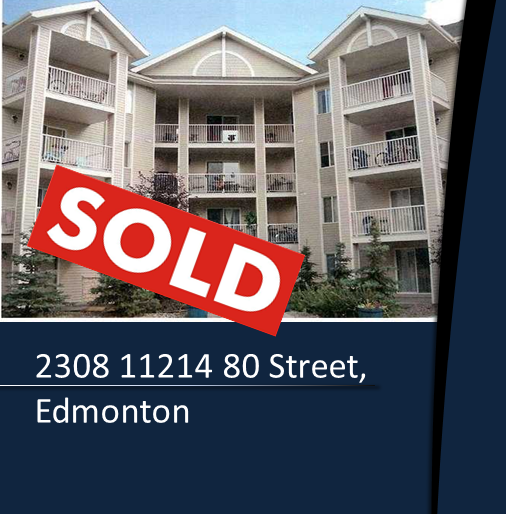
Edmonton Condo For Sale- Testimonial

2308 11214 80 Street SoldThank-you so much for all your help and support and helping us in having our first home. It is so warm and cozy. We appreciate all that you have done for us.

The Freemen Family