

Deer Ridge St. Albert Real Estate Statistics for October 2019

A total of 8 homes SOLD in Deer Ridge this month. The highest priced home SOLD in Deer Ridge this month was a 6 bed, 4 bath, 2446 square foot home for $550000, and the lowest was a 4 bed, 2 bath, 1097 square foot home for $331000, bringing the average to $404550 for 4 beds, 3 baths, and 1648 square feet. 

 
CLICK HERE! to view all current Deer Ridge homes for sale by Don Cholak.
 

Sell your Deer Ridge home:

Ready-to-sellAre you looking to sell your home in Deer Ridge? Don Cholak has decades of expertise and experience in Deer Ridge and is ready to help you sell your Deer Ridge home today! Just click the big red button above or call Don at 780-718-8400.
 

Buy a home in Deer Ridge:

Ready-to-buy
 
Are you looking to buy a home in Deer Ridge? Don Cholak is an expert and experienced Realtor in Deer Ridge and can help you find the perfect home in Deer Ridge today! Just click the big red button above or call Don at 780-718-8400.

 

Braeside St. Albert Real Estate Statistics for October 2019

A total of 3 homes SOLD in Braeside this month. The highest priced home SOLD in Braeside this month was a 4 bed, 3 bath, 1569 square foot home for $434500, and the lowest was a 3 bed, 2 bath, 1275 square foot home for $345000, bringing the average to $345166 for 3 beds, 2 baths, and 1385 square feet. 

 
CLICK HERE! to view all current Braeside homes for sale by Don Cholak.
 

Sell your Braeside home:

Ready-to-sellAre you looking to sell your home in Braeside? Don Cholak has decades of expertise and experience in Braeside and is ready to help you sell your Braeside home today! Just click the big red button above or call Don at 780-718-8400.
 

Buy a home in Braeside:

Ready-to-buy
 
Are you looking to buy a home in Braeside? Don Cholak is an expert and experienced Realtor in Braeside and can help you find the perfect home in Braeside today! Just click the big red button above or call Don at 780-718-8400.
 

Akinsdale St. Albert Real Estate Statistics for October 2019

A total of 1 home SOLD in Akinsdale this month. The home SOLD in Akinsdale this month was a 3 bed, 3 bath, 1257 square foot home for $315000.

CLICK HERE! to view all current Akinsdale homes for sale by Don Cholak.

Sell your Akinsdale home:

Ready-to-sellAre you looking to sell your home in Akinsdale? Don Cholak has decades of expertise and experience in Akinsdale and is ready to help you sell your Akinsdale home today! Just click the big red button above or call Don at 780-718-8400.
Buy a home in Akinsdale:

Ready-to-buy

Are you looking to buy a home in Akinsdale? Don Cholak is an expert and experienced Realtor in Akinsdale and can help you find the perfect home in Akinsdale today! Just click the big red button above or call Don at 780-718-8400.

St. Albert Real Estate Statistics for October 2019

A total of 62 homes SOLD in St. Albert this month. The highest priced home SOLD in St. Albert this month was a 5 bed, 5 bath, 2866 square foot home for $1061247, and the lowest was a 3 bed, 2 bath, 1108 square foot home for $260000, bringing the average to $452544 for 3 beds, 2 baths, and 1632 square feet. 

 
CLICK HERE! to view all current St. Albert homes for sale by Don Cholak.
 

Sell your St. Albert home:

Ready-to-sellAre you looking to sell your home in St. Albert? Don Cholak has decades of expertise and experience in St. Albert and is ready to help you sell your St. Albert home today! Just click the big red button above or call Don at 780-718-8400.

 

Buy a home in St. Albert:

Ready-to-buy
 
Are you looking to buy a home in St. Albert? Don Cholak is an expert and experienced Realtor in St. Albert and can help you find the perfect home in St. Albert today! Just click the big red button above or call Don at 780-718-8400.

 

22 Small Ways to Live Greener

Source

Trying to live a greener, more environmentally sustainable life can seem overwhelming—what do you do and where do you start? Can a few little changes around the house really make a difference?

To borrow an old adage, “the journey of a thousand miles begins with a single step.” With that in mind, we have small changes you can gradually work into your home routine that aren’t just eco-friendly, they’re also budget-friendly.

Outdoors:
1. Plant a small backyard or patio garden
Reduce your grocery bill by growing herbs and vegetables in your own backyard or build a garden box or two for your windowsill or balcony. If you grab too many herbs for dinner, there are plenty of things you can do with the surplus—like making a sauce or personalized teas.

2. Line dry your clothing
Fresh air: dryer sheets try and replicate it but it’s hard to beat the real thing. Line drying your laundry is quick, fresh and can help you save on your utilities. Plus, you get a bit of fresh air yourself!

3. Use water from a dehumidifier to water plants
Put the garden hose away. If you use a floor model dehumidifier to keep your basement dry, moisture collects in a reservoir and provides several litres of water you can use for your houseplants or garden.

4. Get a rain barrel and collect rainwater
You’d be surprised how much water you can collect from a downpour or two. Make sure you cover the opening with mesh to keep the bugs out and you’ll have gallons of water at your disposal in the summer.

Indoors:
1. Unplug small appliances and electronics when not in use
It might not be easy to get behind the stove to unplug it, but before you leave for work in the morning, unplug things like small appliances, phone chargers and even your entertainment centre. Consider using power strips so you can kill the power without rearranging your furniture.

2. Open the curtains
Let the sun do its thing to light and warm your house naturally when you’re at home and the weather is cooler. In peak summer or winter, however, closing your blinds, drapes or shutters can help keep the heat either out or in.

3. Seal up your home
Plug, insulate, replace, repair, caulk or seal your doors, windows and any errant cracks to make your home as leak-proof and airtight as possible.

4. Save baths for special occasions
Keeping baths and showers to a minimum (both in frequency and time) will help make a big difference for your water consumption.

5. Conserve your flushes
Consider switching to a low-flow or high-efficiency toilet to help save water. You can even make use of the water collected from your rain barrel (tip #5)– dumping a bucket of water right into the bowl is enough to trigger a flush, then gravity takes over. Don’t waste water on flushable wipes where they can block or damage your septic or sewage system. Dispose of these items in the trash and save flushing for when you really need to (hint: if it’s yellow, let it mellow).

6. Wash laundry in cold vs. hot water and wait for a full load
Many of the brands you’re already using have cold wash soap options—and remember, you often need less soap than you think, so check the measurement lines on the lid or scoop and don’t eyeball your pour.

7. Go paperless and pay your bills online
If you use mobile banking, opt-out of receiving paper bills. Many service providers have dedicated apps so you can see your entire transaction history whenever you want.

8. Under the sink and yard composter
Many municipalities across Canada have initiated green bin programs to encourage people to compost their household waste and food scraps. Check with your local government to see what’s available or make your own.

9. Use your heat dampers
If you have central heating, you likely have floor vents to distribute warm air to each room. Those floor vents (dampers) have dials so you can keep them either opened or closed. Consider closing them in rooms that aren’t being used, like a spare bedroom) to reduce the energy spent heating the space. It’s recommended that you don’t do this in bathrooms or anywhere there is plumbing to avoid frozen pipes.

Bonus tip: Replace your furnace filter regularly so trapped dust and debris don’t restrict airflow and force your furnace to work harder.

10. Properly secure opened food packages
Stale food often ends up right in the trash (or green bin) earlier than it needs to because of improper sealing. Spare clothes pegs work great as bag clips and can help keep crackers, cereal and chips fresh longer while glass or food-safe containers can keep a variety of foods fresh or frozen.

11. Control the temperature
If no one is home during the day, why spend the money and energy to keep the house super toasty (or cooled)? Use a programmable thermostat to help regulate the temperature throughout the day or consider investing in a smart thermostat that you can control via your smartphone.

12. Handmade door draft stoppers
If there’s a draft coming under a door you haven’t had the chance to deal with, keep the cold air out by making a handmade door draft stopper with an old rolled-up bath towel or even old pillow inserts or stuffing.

Products:
1. Use natural cleaners
There are many options available for store-bought cleaners featuring all or majority natural ingredients. Or turn to Pinterest for tips on how to make your own cleaners using baking soda, vinegar and even coffee grinds.

2. Use energy efficient light bulbs
There are plenty of bulbs on the market now boasting significant energy savings, like compact fluorescent or halogen bulbs.

3. Use cloth alternatives
Steer away from single-use materials like napkins, paper towels and cleaning pads by swapping them for cloth options. You can make cleaning rags by cutting up old bed sheets, towels and even t-shirts instead of throwing them out.

4. Alternatives to buying new
Before buying anything new, consider community sites, swap-and-sells or local Facebook groups. Do some digging: your city or community might put on a large annual yard sale full of great deals.

Renovations:
1. Renovating more sustainably
When you’re planning your next home project, think about ways you can get the work done more sustainably—here are five tips!

2. Getting rid of renovation waste
Think about how you’ll dispose of the building waste when you’re done. Here are a few eco-friendly tips to get rid of everything.

Passive Houses: Making Your Eco-Dreams a Reality

Source

Passive houses are really anything but passive—the truth is, they’re total powerhouses. They boast incredible energy efficiency, superb insulation and optimal temperature and comfort 12 months a year.

With that being said, passive homes aren’t very common in Canada yet, as our intensely varied climate presents challenges for anyone trying to keep a home comfortable year-round.

To learn more about these unique homes and their growing place in the Canadian home landscape, we spoke to two PHIUS-certified (Passive House Institute US) builders: Chris Weissflog of EcoGen Energy in Kemptville, Ontario and William Murray of Construction Rocket in the Eastern Townships in Quebec.

What’s the difference between a passive house and a passive solar house ?
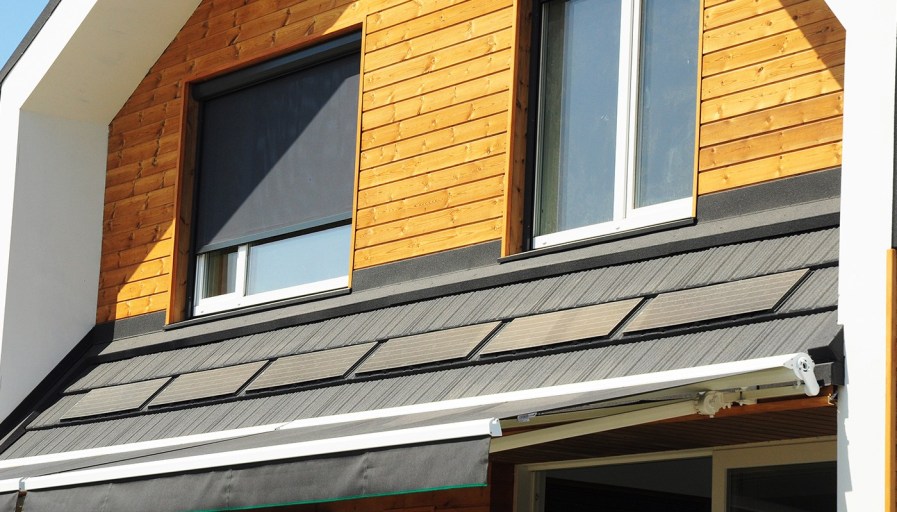
As soon as you hear the words “passive house”, you’re probably thinking about solar panels—but they’re not always a necessary component.

Passive solar homes are designed to get the maximum benefits from sunshine with solar panels and other systems that use sunlight to heat the air and water in the house.

Weissflog explains that, despite popular belief, passive homes don’t need to rely on the sun and can actually perform well in the shade too. For a passive home, the ability to maintain a consistent ambient temperature, regardless of the season and without the help of mechanical systems, is more important than the use of solar panels. This is achieved by keeping the house well insulated, and appropriately sealed and ventilated.

What are the advantages of a passive house?
Comfort: Both builders agree, it’s impossible to find a house more comfortable than a passive house. Whether it’s -30 or +30, in the middle of a room or right next to a window—passive houses maintain a consistently comfortable inside temperature. Will Murray had a client who wanted to do yoga in front of her glass patio door in the middle of winter without freezing. In a passive home with effective ventilation, this is totally feasible.

Energy efficiency: Passive houses use very little energy and cost almost nothing to heat in the winter or cool in the summer. Murray reported the annual energy costs for a 1,980-square-foot PHIUS-certified passive home his company constructed were an impressive $700 (approximately $58 per month) and included—among other things—appliances, heating and cooling.

Air quality: Because passive homes are built to be extremely airtight, they require efficient and regular ventilation and air filtering. This makes them a great choice for people with allergies or breathing problems.

Predictable energy costs year after year: A passive home’s strong seals and effective insulation help keep energy from varying dramatically so you’ll likely avoid surprises like expensive heating and electricity bills through the winter months.

Durability: Passive homes are built to last. Mostly-sealed and built with high-quality materials, passive houses are generally less likely to deteriorate over time—which means lower maintenance costs, too.

Quiet: Another benefit of all that insulation and their thicker walls, triple-glazed windows and lack of forced-air systems for heating or cooling, passive houses can be incredibly quiet.

They’re ideal for apartments: For a multiplex or student residence, building a passive structure is a great option. By assuming most of the costs during construction, you’ll save money on utilities long-term and the added insulation will make it harder for tenants to disrupt each other with noise.

Before you build
– If you want your home to be certifiably passive, make sure you involve a PHIUS or Passivhaus certified expert from the get-go—even before hiring an architect. Make sure the involved professionals communicate the nuances of the process to avoid paying for plans and drawings more than once.
– Keep in mind, renovating an existing house into a passive house can be more expensive than starting from scratch.
– The up-front costs of building a passive house can be significant (a construction mortgage might help) but factor in the long-term savings on energy and maintenance when creating your budget.
– While the topics of sealing or energy-efficient insulation aren’t exactly sexy when compared with kitchen and bathroom design, they’re essential to a passive home and too ensure comfort year-round.
– Various experts will need to collaborate on your passive house through design and building to ensure your home meets the standards for certification.

Interested? Try searching for homes for sale near you with the keyword search term, “passive”.

V6: A new take on the family compound

Source

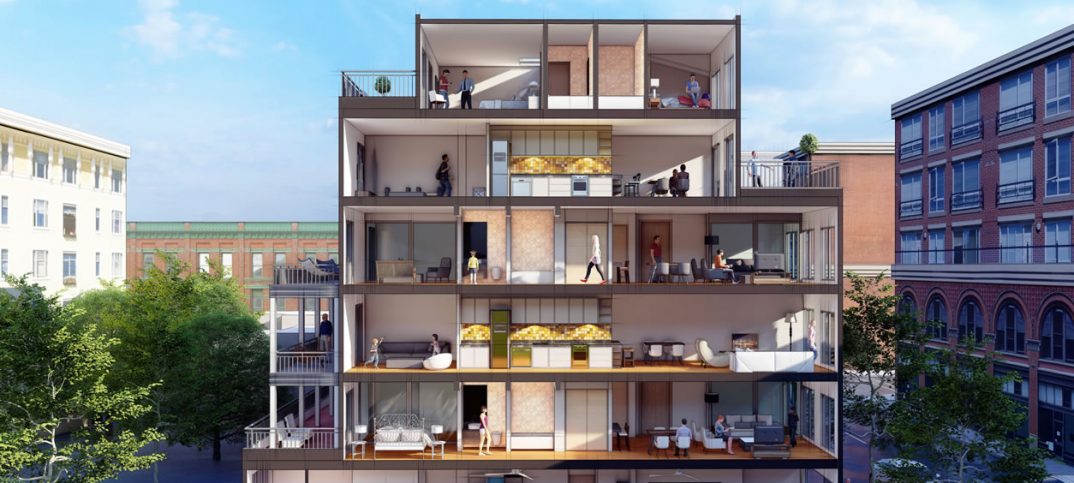
A cool take on the family compound, a building planned for east-end Toronto offers a way for extended family members to live under one roof, but in separate living spaces. The building, called V6, also includes a commercial/retail unit to provide income to offset expenses.

In addition to its appeal to multi-generational families, the design is perfect for “golden girls” (single women who want to live in their own spaces but within a community of other women), says real estate agent Cailey Heaps Estrin, managing director and sales representative with the Heaps Estrin Team at Royal LePage. It’s also a gem for investors.

“The V6 configuration is originally from Berlin,” says Manisha Dayaram, director of sales and marketing. “It is being sold as a wholly owned asset – a full building which is zoned to provide customizable housing solutions, in this case five residential units and a commercial unit at grade (hence its name, V6, Vertical Six). There is no condominium structure in place so there are no maintenance fees.”

Developer Old Stonehenge is offering this unique concept for the first time in Toronto, in the Leslieville neighbourhood.

“The V6 design and location,” Heaps Estrin says, “is an adaptation of multi-storey freehold townhouses inspired by European living and has been designed to fit within a main street setting.”

The location was chosen because it’s an easy streetcar or bike ride downtown to work and entertainment, and it’s close to amenities.

V6 is also promoting a green lifestyle. Cross-laminated timber is being imported from Austria. Wood is a renewable resource and its carbon footprint is superior to either concrete or steel structures, Dayaram says.

A radiant heating and cooling system uses carbon clean electricity. Low-flow fixtures, wastewater recycling systems, Energy Star appliances, LED lighting and triple-glazed windows on the southern exposure are other green features.

As for lifestyle highlights, each suite occupies one level and has its own private terrace, ensuite laundry and storage facilities.

The building features an elevator and a virtual concierge. An electric car charge is part of the base build and bicycle storage is built in.

The design makes the most of the 20-foot-wide lot, stylishly adding density and much-needed housing stock on a limited footprint.

V6 offers about 6,400 square feet, with suites ranging from 900 to 1,100 square feet.

Heaps Estrin says the configuration is flexible and can be customized into a single spacious townhouse, three two-storey units or a two-storey owner’s suite with four residential rentals and a commercial/retail live/work rental unit.

It was designed to accommodate configuration changes without the need to change the heating, cooling, electrical or fire safety systems.

“It’s exciting,” Heaps Estrin says. “There’s a lack of housing in Toronto and this concept will change mindsets.”

The building is priced at $5.35 million. The average Toronto condo costs about $1,000 per square foot, she says, while V6 is priced at about $810 per square foot.

The project is currently in preconstruction so Heaps Estrin decided not to put it on MLS just yet. Instead she is reaching out to agents individually, as well as using social and digital media and print advertising to spread the word. She also plans to distribute flyers in the central core and later in the immediate area around the project.

Construction is scheduled to be completed by spring/summer 2020. Another V6 building will be constructed on the lot next door.

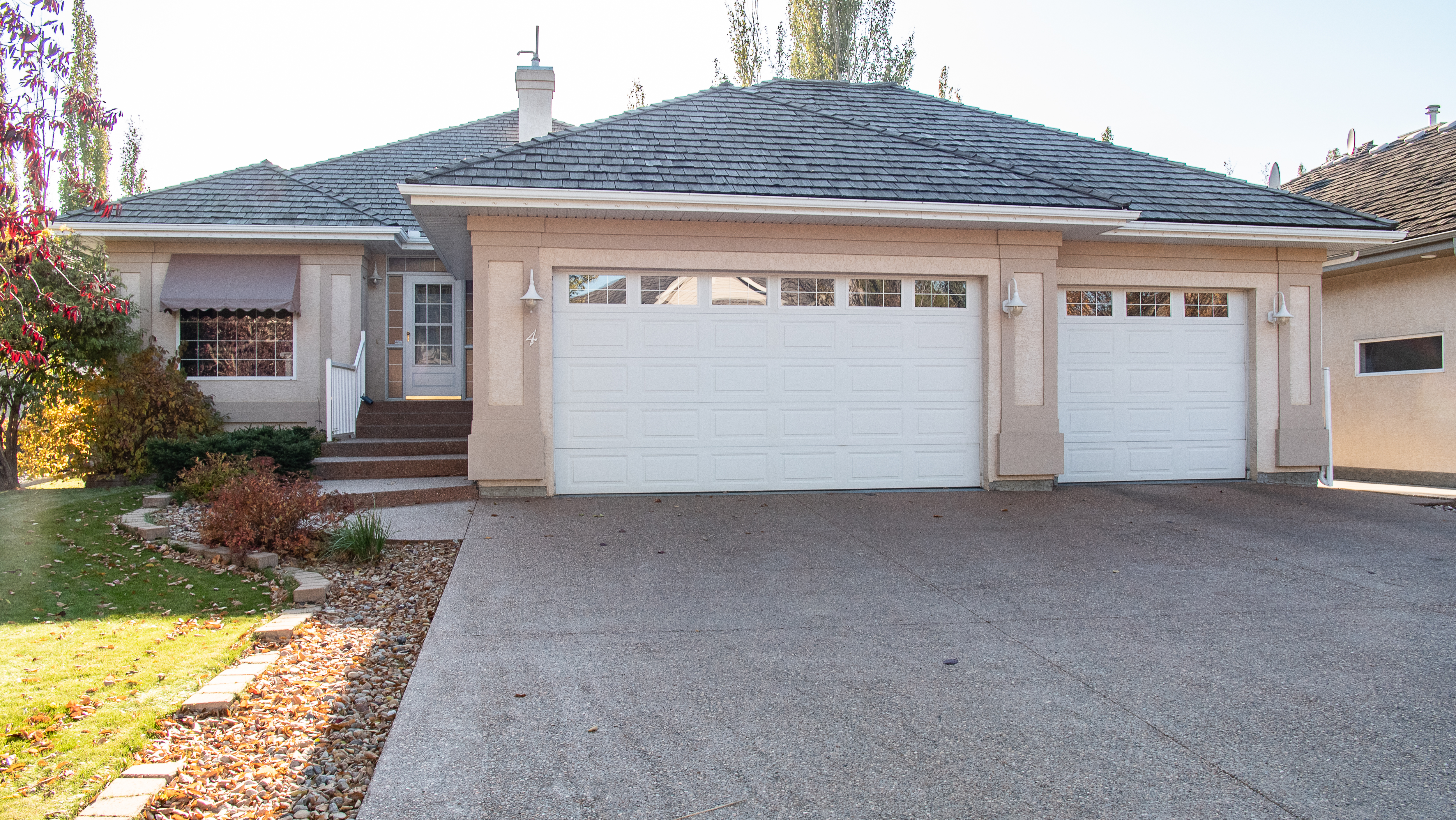
4 Karlyle Court : St. Albert : E4176914

Welcome to this 4 bedroom, 2.5 bathroom, 1716sq.ft single family home in Kingswood!


MLS#: E4176914 PLENTY OF S P A C E in this 1,716 square foot 4-bedroom bungalow! This home offers a number of notable features and upgrades, including: IN-FLOOR HEATING, central A/C, stainless steel appliances, a HOT TUB, central vacuum system, and more! The open-concept great room is comprised of a spacious kitchen with a GAS STOVE, a corner pantry, and a multi-level island; a dining area with built-in sideboard and a garden door to the COVERED DECK; and a living room with a THREE-SIDED FIREPLACE. Off the living area you’ll find the MASTER SUITE, featuring a WALK-IN CLOSET and a sizable 5-piece ensuite with JETTED TUB! Completing the main level is an office off the entrance, plus a 2-piece guest bath and a large laundry room. The FINISHED BASEMENT offers an expansive family room with wet bar and built-in media console, as well as 3 generous bedrooms and a 4-piece bath. There’s also a SECOND WASHER/DRYER in the basement! The 33×25 ft ATTACHED TRIPLE GARAGE is oversize, heated, and insulated, with an aggregate driveway.
 
Listing-Details-Button

Three Things Every “For Sale By Owner” Wishes They Knew (That Agents Do!)

Source

Today, you can Google instructions to become a DIY-pro at just about anything. But selling a home is a complex process requiring knowledge that only experience – not the internet – can provide.

Sellers who try to list their home as “For Sale By Owner” (or FSBO), can miss out on several benefits a professional agent brings to the table. According to Al Limon, Broker/Owner of RE/MAX Integrity in Camarillo, California, many previously FSBO clients eventually see working with an agent can save them time and stress.

“When they understand the value an agent brings because of their experience and negotiation skills, many see that working with an agent ultimately delivers a better end result,” says Limon.

Here are three areas of agent expertise sellers should consider when determining if working with an agent will deliver more value than going it alone.

1. Marketing strategy and tools to cast a broad net
Finding the right buyer for a home goes beyond a “for sale” sign in the yard. The more buyers are interested in a property, the more competitive their offers are likely to be. David Serle, a Broker Manager of RE/MAX Services in Boca Raton, Florida, says the marketing resources an agent brings to the table are difficult for a FSBO to match.

“My team has a system that helps us market a property more effectively than someone listing their home as a FSBO can on their own,” Serle says. “We use a variety of tools, including Facebook ads and retargeting, to help get as much exposure as possible for a listing.”

Another tool Serle taps into is the RE/MAX referral network of 125,000 agents worldwide. This is especially important in Serle’s market in South Florida, which tends to attract international buyers.

“You have to think about who the buyer is, and if there are people in other countries who might potentially purchase the property,” Serle says. “It goes back to having a proven marketing system. At RE/MAX, we have a global referral tool and access to social media advertising to help locate buyers all around the world.”

2. Navigating real estate laws and regulations
Real estate is a complex process, and laws differ from state to state. Working with an agent who is familiar with the unique rules and regulations of their area can help sellers “avoid a lot of heartburn,” according to Limon. “A seller once reached out to me and said the buyer told them they had to pay both sides of the escrow. That’s not true!”

According to Serle, a downside of selling FSBO is when sellers run into pitfalls that could have been avoided with the advice of an experienced professional. “A FSBO seller once called me and said he was getting sued for not disclosing a material defect in the property. An agent could have advised him to file a seller’s disclosure for the home.”

3. Negotiation tactics and avoiding contract issues
While there are several rules that govern a real estate transaction, there’s also a lot of gray area. This is where Limon says an agent’s negotiation skills can really benefit sellers.

“Yes, agents obtain a fee for helping clients sell their home, but they also help negotiate items clients don’t need to pay for,” Limon says.

For example, many buyers are under the impression that sellers must repair any defects found in the inspection. Not true, Limon says. “An agent can help sellers negotiate repairs. We have the knowledge of what really needs to be completed and what can be countered or declined.”

Just as critical as the inspection is the fact that agents are also skilled at negotiating the final sale price.

Limon points out the importance of understanding the nuances of different offers.

“Whether the offer is cash or a VA or FHA loan, an agent can help the seller understand the differences and what they should know before accepting an offer.”

Ultimately, Limon says the role of an agent is to help protect buyers and sellers.

“Once FSBO sellers see the knowledge and experience we bring from working in real estate every day, they begin to see, ‘I do need someone like you on my side,’” Limon says.

Serle adds, “Realtors sell thousands of homes over their career. They know the market. They know what to expect in the transaction. They know 150 things to do in order to get you to closing.”

The Hidden Costs of Buying a Condo

Condos are a great investment for anyone, but are especially popular among retirees and investors. They’re typically low-maintenance, offer numerous amenities, and are often located in a prime location. However, in addition to the mortgage payment, insurance, and property taxes, you may have to pay for HOA dues, special assessments, and additional insurance.

HOA/Maintenance Dues
Most condos will have either a home owner’s association or a property owner’s association that is responsible for replacing broken windows, maintaining the landscaping, and replacing old roofs. However, this service comes at a cost. Condo owners will typically be charged a monthly, quarterly, or annual fee to cover these expenses along with upkeep for any amenities the community offers such as a pool or tennis courts.

Special Assessments
Special assessments are additional dues that are charged to cover expenses that aren’t considered routine maintenance or that are beyond what the standard dues can cover. These unexpected expenses are divided among the homeowners to cover unplanned expenses such as storm damage, new amenities, or projects to protect the health and safety of residents.

Additional Insurance
The condo’s HOA should cover insurance for the exterior of the building, but homeowners are responsible for insuring the interior. Depending on the location of the condo, you may need additional insurance to protect your interior from flood or storm damage.

Knowing what to expect to pay for your condo is important. So is hiring an experienced agent who has your best interests at heart. Contact me if you or someone you know is thinking about making a move!